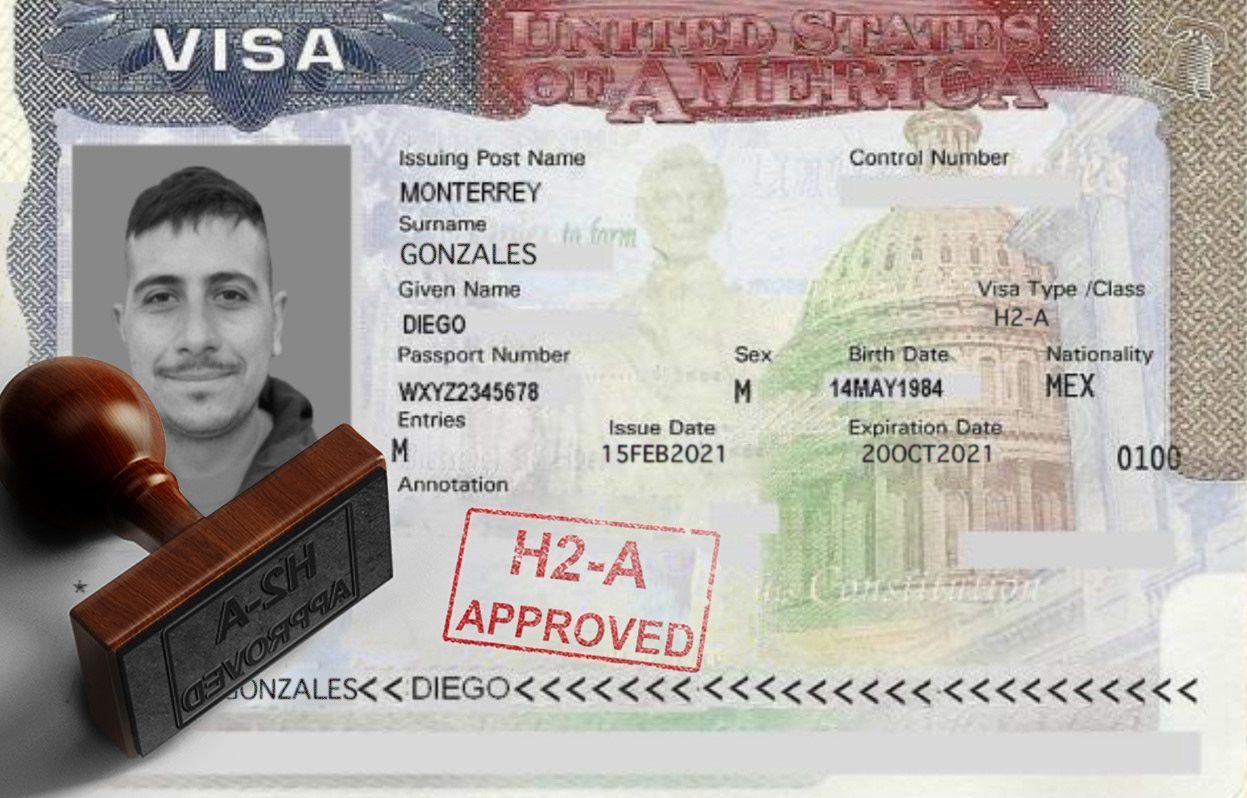
What Temporary Need Means
When you apply for H-2A visas, both the Department of Labor and USCIS want proof that the job is tied to a specific, limited period. The work must have a clear beginning and end—you cannot use H-2A to fill a year-round position, even if it is hard to staff locally.
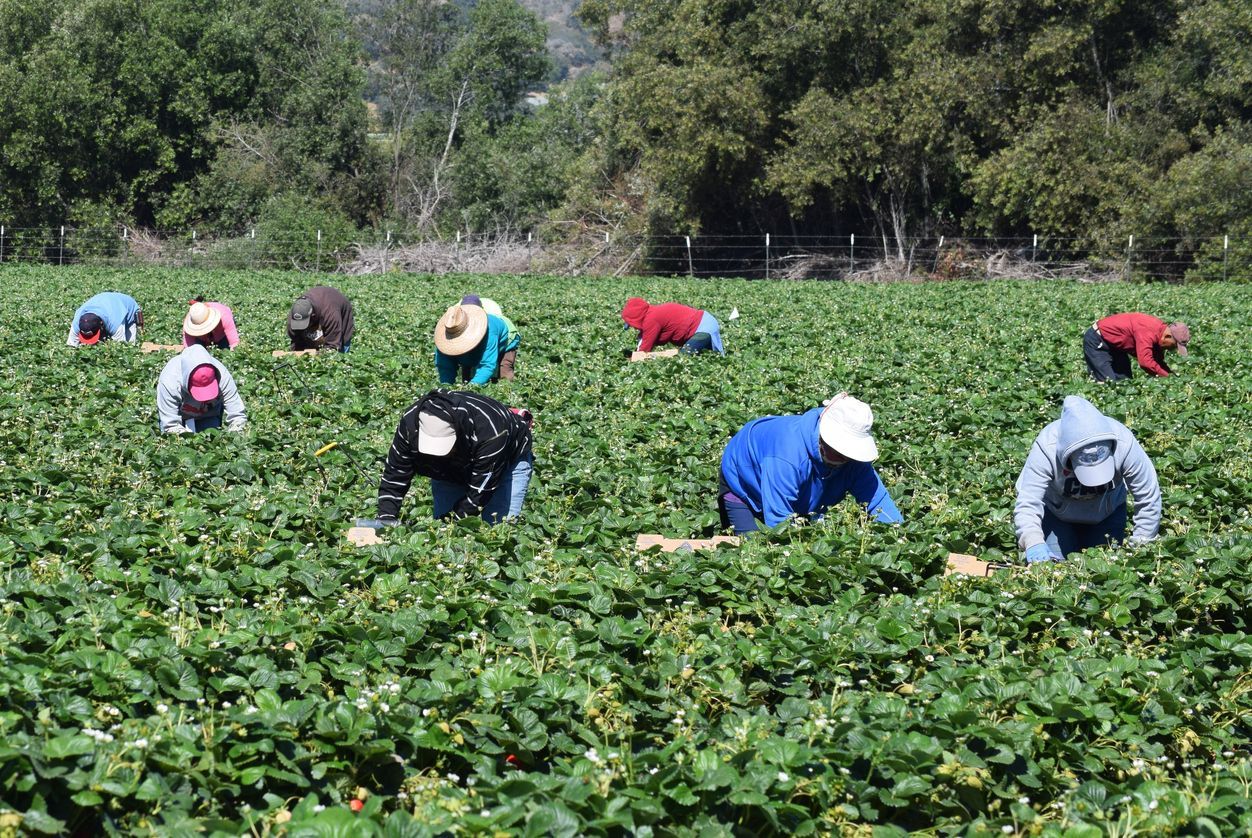
The most common category for agricultural employers is seasonal need: work tied to a recurring event like a growing season or harvest window. If you grow strawberries and need extra hands from March through July, that is textbook seasonal need. The demand starts and stops with the season.
Temporary does not mean new or unusual. A seasonal job that repeats every year still qualifies, as long as it is tied to a defined window. Review the full H-2A requirements checklist before you lock your dates.
Documentation and Evidence That Prove Your Case
Strong applications back every claim with real records. You show the patterns your operation already follows—not a guess at what your season looks like.
- Planting and harvest schedules showing when each crop goes in and comes out.
- Production cycles demonstrating months when labor demand spikes.
- Payroll trends from past years showing workforce growth during peak months.
- Historical labor demand records covering several years.
- Sales contracts or purchase agreements with delivery deadlines.
- Regional weather and climate data explaining why your season falls when it does.
When you line these up, they should show the busy stretch when you need extra workers and the quiet stretch when you do not. Newer operations without years of records can supplement with expert statements or regional agricultural data.
Common Mistakes to Avoid
One of the most common mistakes is requesting a work period that is too long. Asking for workers January through December tells the government your need is permanent. Keep dates tight and tied to the actual season—and never claim a season longer than 10 consecutive months.
Vague or inconsistent documentation is another frequent error. If your application says harvest runs four months but payroll shows year-round staff in the same role, reviewers will notice. Every document should tell the same story with the same dates, crops, and job duties.
Avoid lumping permanent and temporary duties into one role. A single H-2A request should describe one clearly defined seasonal role. See the full H-2A process timeline to keep forms, ads, and dates consistent.
Putting It All Together
Proving temporary need comes down to three things: understanding that work must be seasonal and time-limited, backing that claim with solid records, and avoiding small mistakes that raise doubts. Most H-2A cases move through processing in roughly 90 to 120 days, so getting paperwork right the first time keeps you on schedule.
Managing a farm is already a full-time job. Adding a federal visa process on top can feel overwhelming. Head Honchos has helped agricultural employers navigate H-2A since 1999. Contact us to talk through your season before you file.