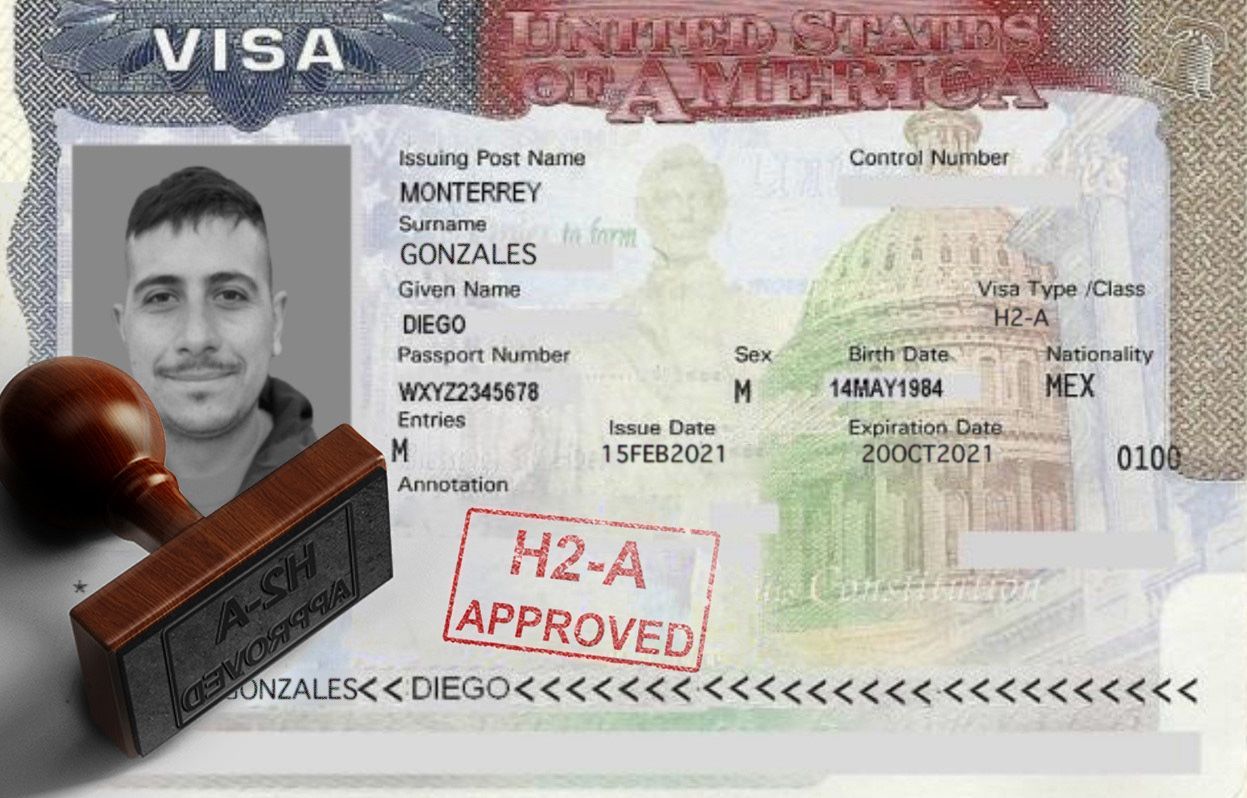
What Is the H-2A Work Visa Program?
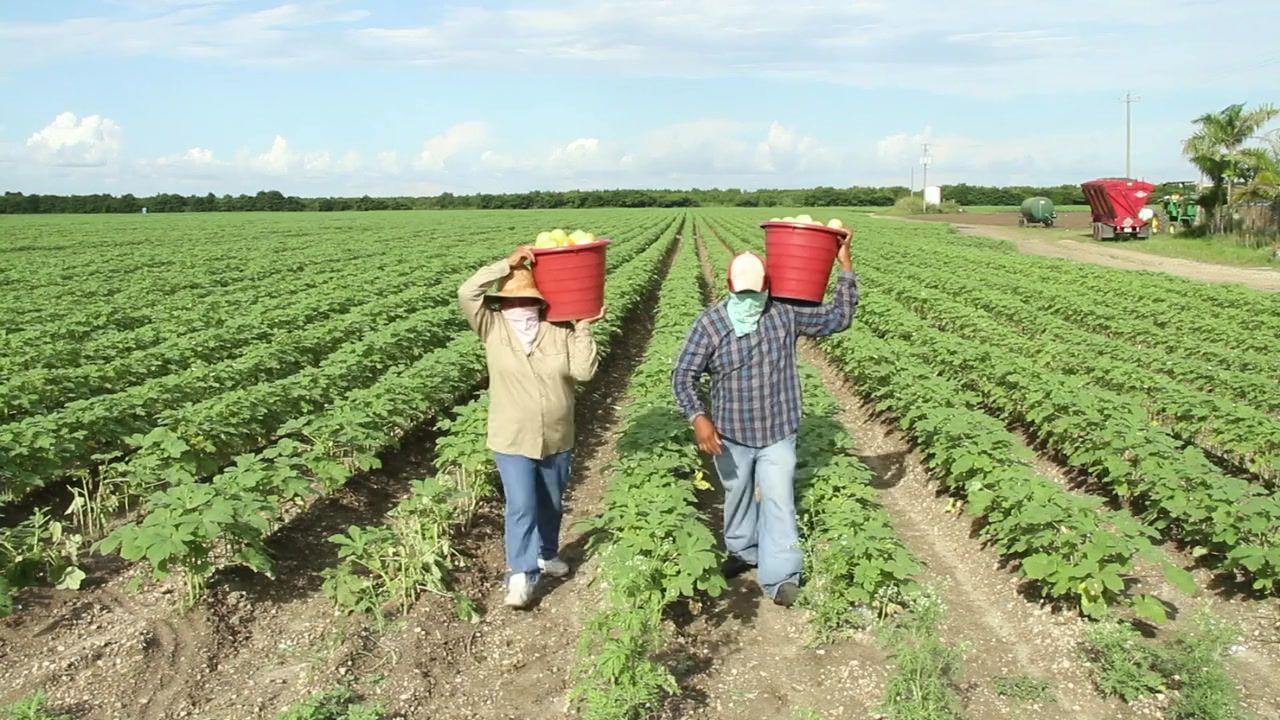
Farmers use the H-2A program to hire foreign workers for seasonal and temporary agricultural work in the U.S. Seasonality is a main requirement: work must occur at a certain time of year and require more labor than ongoing year-round operations. Harvesting corn is a classic example.
Jobs lasting less than one year are defined as temporary. Year-round roles like dairy milking or poultry production are agricultural but typically cannot be classified as seasonal—though recent USCIS guidance opens new paths for dairy operations with documented cyclical need.
Pros of the H-2A Program
- Legal, reliable pipeline of experienced agricultural workers during peak season.
- Workers often return to the same employer year after year, reducing retraining costs.
- Employers are exempt from Medicare and Social Security taxes on H-2A wages.
- Program fills gaps when domestic workers are unavailable or unwilling.
- Specialists like Head Honchos handle paperwork so you focus on operations.
Cons and Compliance Risks
- Multi-agency process taking 90 to 120 days—planning must start early.
- Strict wage, housing, transportation, and recruitment requirements with audit exposure.
- Must prove temporary or seasonal need with documentation—denials are common when evidence is weak.
- Three-fourths work guarantee and inbound travel reimbursement add financial obligations.
- Non-compliance can result in back wages, fines, or program suspension.
Learn more about the H-2A visa program, review H-2A cost categories, and walk through the H-2A process timeline before filing.