
Why the Wrong Agency Costs You a Season
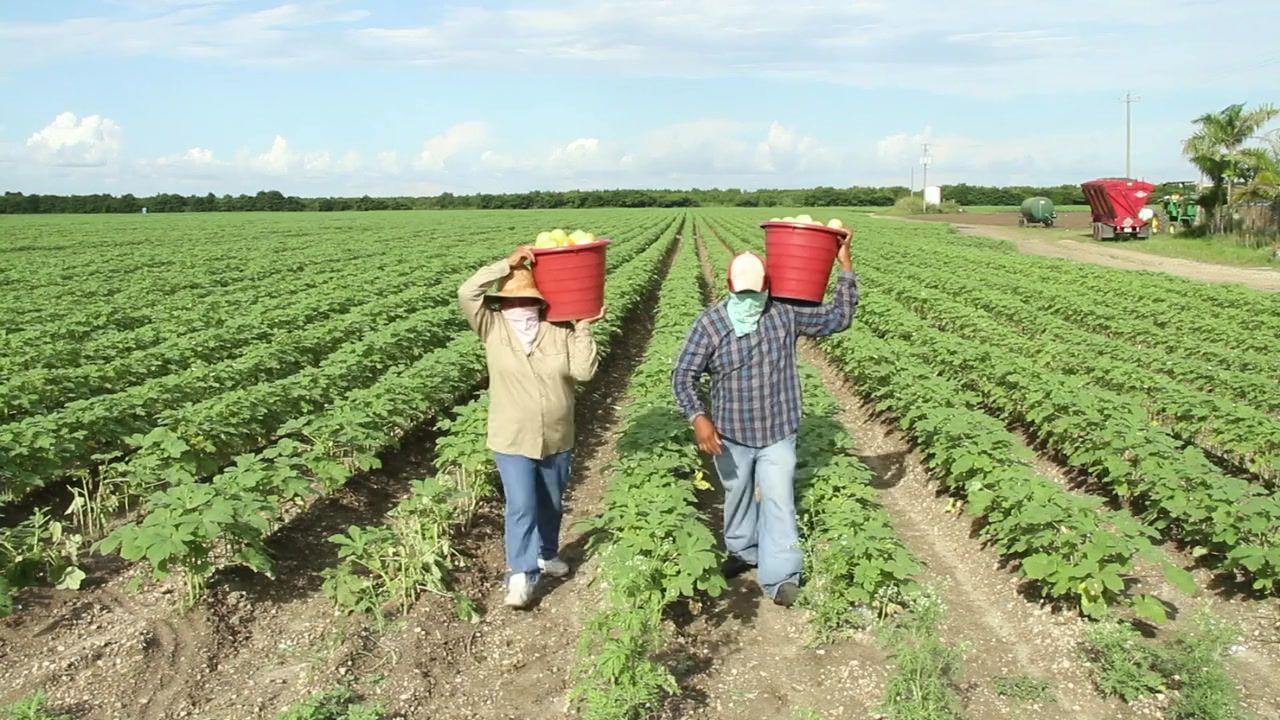
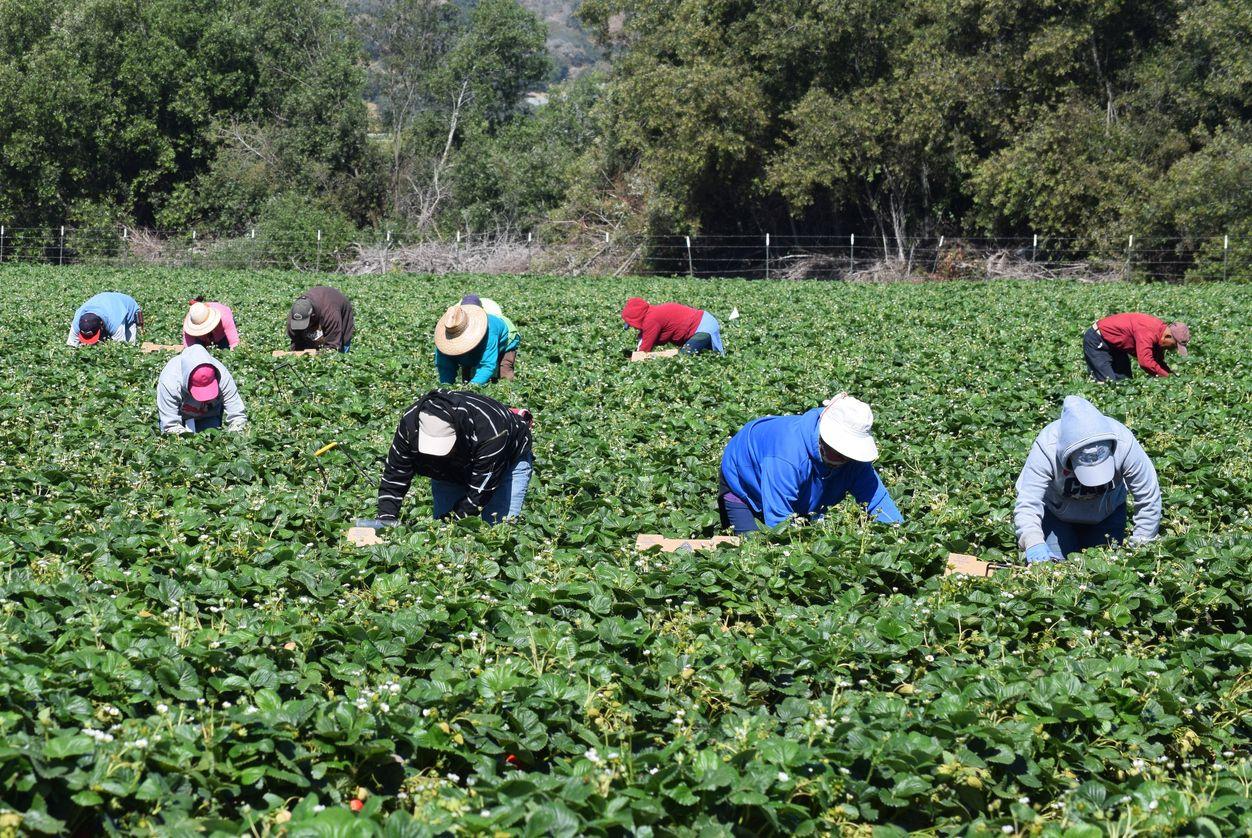
The H-2A program has become a lifeline for American agriculture. It has grown 185% over the past decade, with 398,258 positions certified nationwide in fiscal year 2025. In that same year, only 182 of more than 415,000 advertised positions drew a single domestic applicant. If you farm at any scale, seasonal foreign labor is no longer optional, and the agency you trust to deliver it is one of the most important business decisions you will make all year.
Not every agency is built the same. Some handle the entire H-2A process with care. Others take your deposit, file the paperwork, and disappear the moment a problem appears.
An H-2A filing is a chain of deadlines: proving temporary need, labor certification, recruitment and advertising, the petition, and consular processing. Miss a step and your workers arrive late or not at all, often after your crop is already in the field. There is no rewind button on a harvest window.
The financial risk runs deeper than a late crew, because you, the employer, carry the legal responsibility for the placement. Under federal rules, the Department of Labor can debar not only an agency but the employer and any successor business from the program for up to three years for substantial violations. When Wage and Hour investigators find a problem, the penalties stack: back wages, liquidated damages that can double the exposure, civil money penalties per worker, and that multi-year ban from the program itself.
This is not theoretical. In fiscal year 2022 alone, the Wage and Hour Division recovered more than $5.8 million in back wages for 8,260 agricultural workers and assessed employers nearly $7.9 million in civil penalties. A weak or careless agency does not absorb that risk for you. It hands it to you. Review our H-2A compliance checklist so you know what you are still on the hook for.
Red Flags to Watch For
Most trouble is visible before you sign, if you know what to look for.
Shifting costs onto workers
Federal rules require employers to cover certain visa, border, and transportation costs. Agencies that quietly push those onto workers create liability that lands on you. In one 2025 case, the Department of Labor fined a pair of North Carolina labor contractors $166,000 and debarred them for three years, in part for illegally shifting visa and border fees to workers and underpaying the required wage rate by nearly $4 an hour.
Murky identity or no registration
In that same case, one operator was running the business under his daughter's name while acting as an unregistered farm labor contractor. If you cannot clearly identify who you are contracting with, who holds the registrations, and who is accountable, treat that as a serious warning.
Other warning signs
- Hard to reach even during the sales process.
- No verifiable track record or farmer references.
- Lowball pricing that ignores wage and housing obligations.
- No straight answer about denials or late arrivals.
Questions to Ask Before You Sign
Bring this list to any agency you are considering. Their answers will tell you almost everything.
- What exactly do you handle from start to finish, and what stays on my plate?
- What is your success rate placing workers, and can you connect me with farmers you serve?
- How do you keep me compliant on wages, housing, transportation, and recordkeeping?
- What happens if workers arrive late, or if an application is denied?
- How and when can I reach you during the season, not just before I sign?
- When do I actually pay, and what am I paying for?
- Are the workers vetted for the specific skills I need, including equipment and communication?
A confident, compliant agency will answer all of these without hesitation. An agency that dodges them is telling you how the season will go. Ask specifically about English-speaking farm workers if communication and equipment operation matter on your farm.
What a Guarantee Should Look Like
The word "guarantee" gets used loosely, so look for one with real substance behind it. A genuine guarantee means workers are actually delivered to your operation, not just an application submitted on your behalf. It means your satisfaction is part of the deal, not an afterthought. And ideally, it means you are not paying in full for a crew that has not yet shown up.
Just as important is what happens after the workers arrive. Compliance obligations run through the entire contract, from wage rates that change during the season to housing that must meet both OSHA and Department of Labor standards. A guarantee is only as good as the support standing behind it, which is why availability matters as much as promises. An agency you can reach seven days a week is an agency that can fix a problem before it becomes a penalty. Compare H-2A cost categories so pricing talks include housing, wages, and transportation—not just a filing fee.
Why Farmers Choose Head Honchos
At Head Honchos, we built our business around the exact risks this checklist is designed to catch. We are a family-owned company with 27 years of experience, and we handle the entire H-2A process for you safely, legally, and on time.
We recruit from a worldwide labor network spanning Mexico, South Africa, Guatemala, Honduras, Uzbekistan, and El Salvador, and our workers are English-speaking and pre-vetted to operate large equipment and machinery. That focus is a big part of how we maintain a 95% success rate placing the right workers with the farmers who need them.
Most important, we do not disappear when the paperwork is filed. We deliver workers on your schedule, not ours, we stand behind every placement, and we guarantee workers to your door, so you only pay when they arrive on your farm. Support is available seven days a week, every step of the way. If you are tired of agencies that overpromise and vanish, get a free, no-obligation consultation today. Call (210) 695-1648 or request your consultation, and we will show you exactly how we get the right workers to your farm, guaranteed.