The Language Barrier Problem on Farms
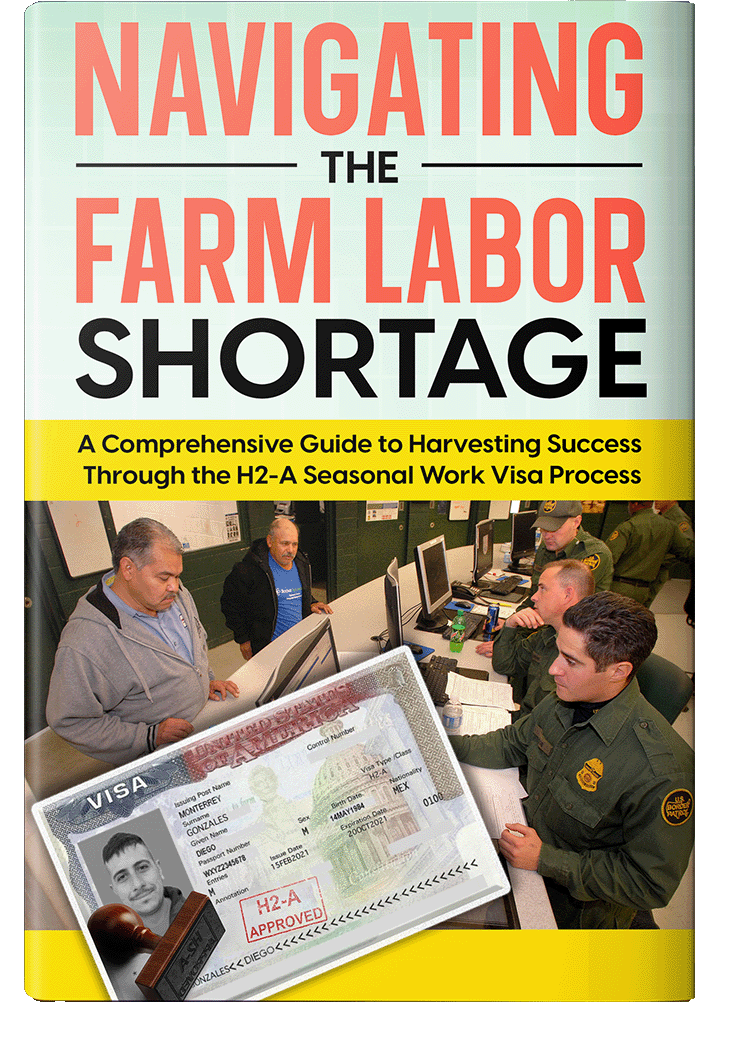
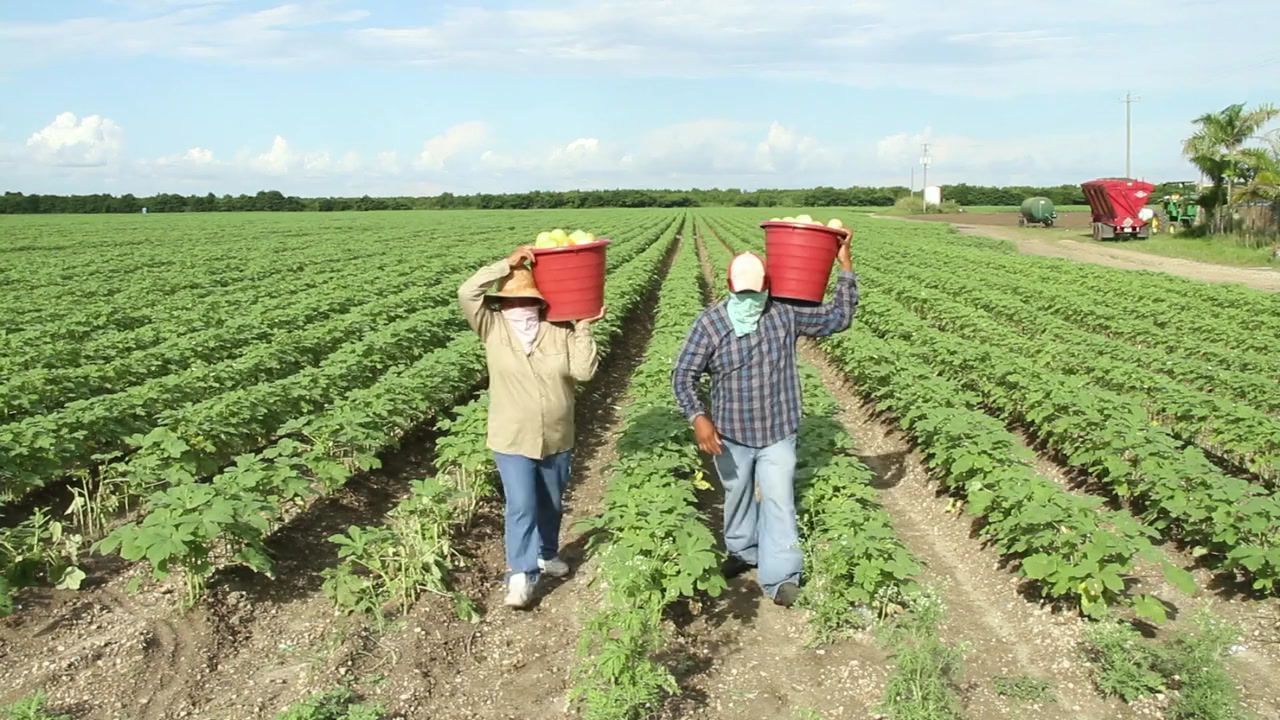
Every grower knows the feeling. The season is on, the machinery is running, and there is no time to explain the same instruction three different ways. The H-2A program has grown 185% over the past decade, with 398,258 positions certified nationwide in fiscal year 2025. In that same year, only 182 positions out of more than 415,000 advertised received a domestic applicant. The workers keeping American agriculture running are increasingly coming from abroad, which makes English-speaking, equipment-ready crews less of a luxury and more of a necessity.
Seasonal labor is hard enough to find. Finding labor you can actually talk to is where many farmers hit a wall. A lot of agencies place whoever is available, regardless of whether that worker can follow spoken instructions, read a posted notice, or ask a question when something isn't clear.
The result is a daily grind of pointing, gesturing, and hoping the message landed. Simple tasks take longer. Instructions get repeated. And when you are managing a large crew across a busy operation, that lost time compounds fast, right at the moments when you can least afford it.
More than an inconvenience
The communication gap is not just about efficiency. Federal regulators treat it as a safety issue. OSHA requires that employers conduct all required training of workers in a language and vocabulary workers can understand, and with roughly half of farmworkers being Hispanic, that requirement is far from automatic. When training doesn't land, compliance and safety both suffer.
The language gap also makes it harder to build the kind of working relationship that keeps good crews coming back year after year. Workers who can communicate feel more confident, ask better questions, and take more ownership of the job. Workers who can't tend to stay quiet, guess, and make avoidable mistakes.
Why It Matters for Safety and Equipment
The stakes rise the moment heavy machinery enters the picture. Agriculture is consistently one of the most dangerous industries in the country. According to the Bureau of Labor Statistics, deaths in the agriculture, forestry, and fishing industry occurred at a rate of 24.4 per 100,000 workers in 2023, and transportation incidents, including tractors and ATVs, were the leading cause of death.
Tractors, harvesters, loaders, and other large equipment demand clear, immediate communication. A worker who cannot understand a shouted warning, read an operating instruction, or confirm they know how to run a machine is a genuine hazard to themselves, to your crew, and to your equipment. NIOSH advises employers to ensure there are no language barriers limiting the effectiveness of training or supervision.
When "available" isn't "qualified"
Research backs up the concern. A study of migrant farmworkers tested how well they understood standard machinery safety signs, and comprehension varied widely by group, with correct answers ranging from about 32% to 69%. In practice, that means a large share of workers may misread the very warnings meant to keep them alive around equipment.
This is where two problems often collide: unqualified equipment operators and a language barrier. An agency that sends workers who can neither operate the machinery nor understand instructions about it puts your entire operation at risk. One wrong move with expensive equipment can cost far more than the labor itself.
English-speaking, equipment-ready workers change that equation. They can be briefed quickly, corrected safely, and trusted with the machinery your operation depends on. That is not just about speed. It is about protecting your people and your investment.
How Head Honchos Sources English-Speaking Crews
At Head Honchos, we have spent 27 years learning exactly what American farmers need, and communication sits near the top of the list. As a family-owned business, we treat every placement as if our own reputation depends on it, because it does.
A worldwide network, vetted for the work
We recruit from a global labor network spanning Mexico, South Africa, Guatemala, Honduras, Uzbekistan, and El Salvador. That reach lets us prioritize workers with English-speaking ability instead of settling for whoever happens to be nearest. Just as important, our workers are pre-vetted to handle large equipment and machinery, so you are never forced to choose between "can communicate" and "can operate." You get both.
Results farmers can count on
That care shows up in the outcome: a 95% success rate placing the right workers with the farmers who need them. And because we understand the pressure of a farming calendar, we deliver workers on your schedule, not ours, with support available seven days a week whenever questions come up. We stand behind every placement, too. Unlike agencies that disappear once the paperwork is filed, we guarantee workers to your door, and you only pay when they arrive on your farm. See how to choose a reliable H-2A agency before you sign with anyone else.
Get Workers Who Understand You
Your season is too important to lose to miscommunication. If you are tired of language barriers, unqualified operators, and agencies that don't understand how farms actually run, it is time for a different kind of partner.
Head Honchos handles the entire H-2A process so you get legal, dependable, English-speaking crews who can operate your equipment and understand your instructions from day one: safely, legally, and on time. Get a free, no-obligation consultation today. Tell us about your operation, and we will show you how to get the right workers to your farm, guaranteed, on your schedule. Call (210) 695-1648 or request your consultation now.